Mastering the Art of Welding with Ceramic Backings
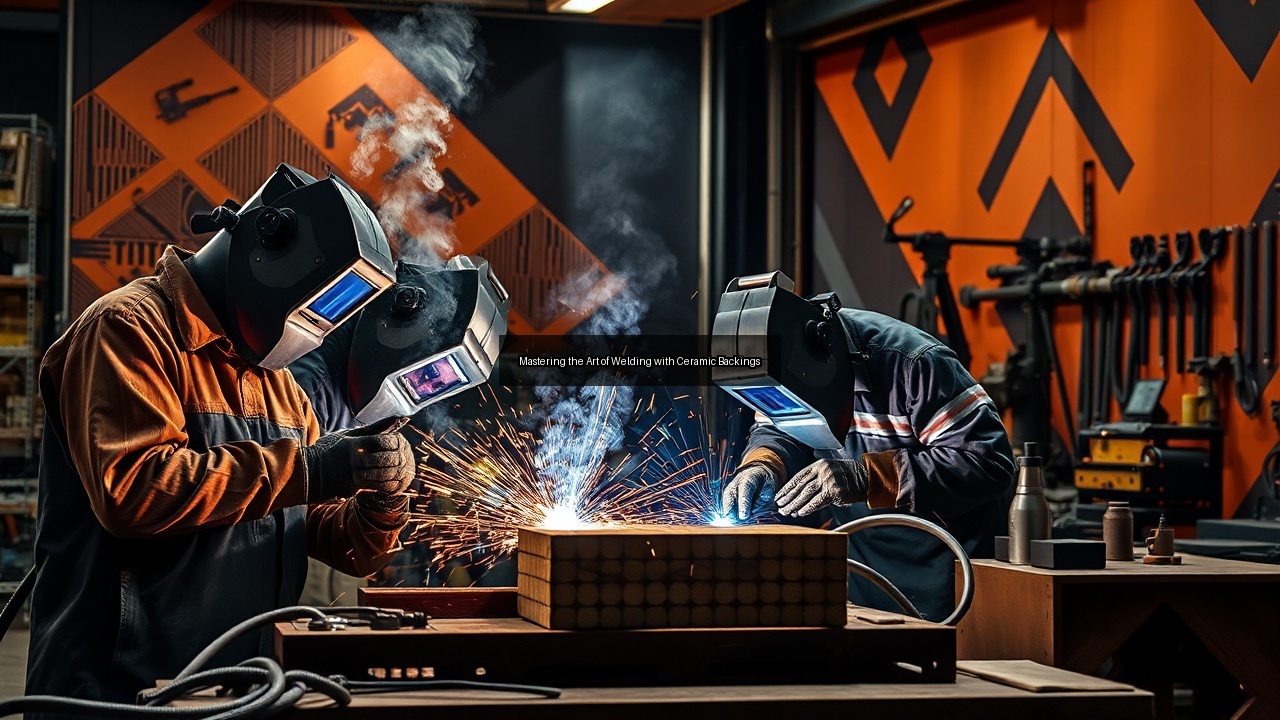
Understanding Ceramic Backings in Welding
What Are Ceramic Backings?
Ceramic backing for welding delivers a reliable support system that holds molten metal in place during the joining process. Welders position these strips or tapes behind the joint to prevent sagging and to create consistent root passes without the need for a second welder on the opposite side. The material withstands intense heat while remaining non-conductive, which protects the integrity of the weld pool. Gullco International manufactures popular options such as the KATBACK system that integrates seamlessly with automated carriages. Workers cut the backing to match the seam length and secure it with adhesive or clamps. This setup proves especially useful on pipes and plates where access from both sides remains limited. Ceramic backing for welds eliminates common defects like incomplete penetration and excessive drop-through. Fabricators report faster setup times and reduced cleanup after the torch passes. The backing stays in place until the weld cools, then peels away cleanly in most cases.
The Role of Ceramic in Welding Processes
Ceramic materials serve as an essential barrier that manages heat flow and supports the weld pool during fusion. When a welder strikes an arc, the ceramic absorbs and dissipates thermal energy without transferring current. This action stabilizes the puddle and promotes even solidification across the root. In TIG welding and MIG operations, the backing prevents atmospheric contamination from reaching the molten metal. Voestalpine supplies high-grade ceramics that maintain structural stability even under repeated thermal cycles. The material also reduces the risk of burn-through on thin sections of aluminium or stainless steel. Welders achieve better control over bead shape and penetration depth when they rely on ceramic backing for welding instead of traditional metal strips. The non-metallic nature prevents unwanted alloying that could weaken the joint. Overall, ceramic backings streamline the entire sequence from tack welding through final pass.
Types of Ceramic Backing Materials
Manufacturers produce ceramic backing materials in several forms to suit different joint geometries and thicknesses. Rigid tiles offer flat support for plate work, while flexible tapes conform to curved surfaces such as pipes and tanks. Some versions include fiberglass reinforcement for added durability during handling. Others feature adhesive backing that bonds directly to the workpiece for hands-free positioning. Gullco offers pre-cut strips designed for automated systems, and competitors provide bulk rolls for custom applications. High-density ceramics resist erosion from plasma arcs, whereas lower-density options suit lower-heat processes like oxy-fuel welding. Each type addresses specific challenges in root reinforcement and slag removal. Welders select the appropriate ceramic backing material based on base metal thickness, joint design, and expected amperage. Proper selection ensures the backing performs without cracking or contaminating the weld metal.
Benefits of Using Ceramic Backings
Enhanced Weld Quality and Strength
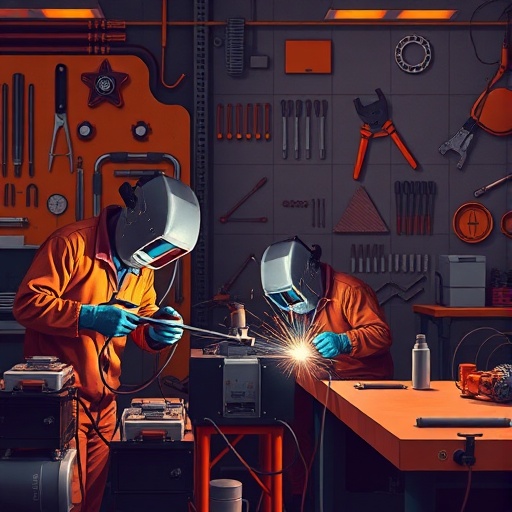
Ceramic backing for welding produces superior root fusion and consistent bead profiles that increase overall joint strength. The stable support prevents the weld pool from falling through, resulting in full penetration without excessive reinforcement on the backside. Welders notice fewer inclusions and porosity because the ceramic creates a controlled environment around the molten metal. This improvement translates directly into higher tensile values and better fatigue resistance in finished structures. Automated systems from Gullco further enhance repeatability by maintaining constant travel speed and torch angle. Fabricators achieve X-ray quality welds on critical components without post-weld grinding. The clean root face also simplifies inspection and reduces the chance of rejected parts. Over time, these quality gains lower repair costs and improve production throughput across fabrication shops.
Thermal Resistance and Heat Management
Ceramic materials excel at withstanding extreme temperatures generated by welding arcs without deforming or transferring heat to surrounding areas. The backing absorbs localized heat spikes and releases them gradually, which protects adjacent metal from distortion. In thick sections, this thermal buffering allows welders to maintain higher amperage without burn-through. Plasma cutting operations benefit similarly because the ceramic withstands the intense plasma stream. Gullco ceramic products maintain integrity across multiple passes, reducing the frequency of material replacement. Proper heat management also minimizes residual stresses that could lead to cracking after cooling. Welders report more predictable shrinkage patterns when they employ ceramic backing materials compared with metal alternatives. This stability supports tighter tolerances on precision assemblies.
Reduction of Contamination in Welds
Ceramic backing prevents atmospheric gases and slag from reaching the root side of the weld, which preserves mechanical properties. The non-porous surface blocks oxygen and nitrogen that would otherwise form brittle compounds in the fusion zone. MIG and GMAW operators achieve cleaner results on reactive metals like aluminium because the backing shields the hot metal effectively. Reduced contamination also means fewer defects detected during ultrasonic or radiographic testing. Welders spend less time on rework when they rely on quality ceramic backings. Gullco designs incorporate smooth surfaces that minimize slag adhesion, allowing easy removal after the weld solidifies. This advantage proves critical in industries where weld purity directly affects service life and safety. Consistent use of ceramic backing material elevates overall weld cleanliness standards.
Applications of Ceramic Backing in Welding
Use in TIG and MIG Welding
TIG welding demands precise control of the weld pool, and ceramic backing for welding provides the necessary support without interfering with gas shielding. Welders position the backing behind thin stainless or aluminium joints to achieve smooth root beads on a single side. MIG processes gain similar advantages when operators run higher deposition rates on structural steel. The ceramic remains stable under the continuous wire feed and shielding gas flow. Gullco automated carriages integrate ceramic backing systems that maintain consistent contact pressure along long seams. Fabricators report improved arc stability and reduced spatter when the backing supports the joint properly. Both processes benefit from faster travel speeds without sacrificing penetration. The combination delivers production gains in shop and field environments alike.
Ceramic Backing in Plasma Cutting
Plasma cutting generates extreme localized heat that requires robust backing to prevent excessive dross and edge deformation. Ceramic backing materials withstand the plasma stream and support the cut edge until the metal solidifies. Operators place the ceramic strips beneath the workpiece to capture molten metal and maintain straight cuts on plate up to 102mm thick. Gullco systems adapt to plasma torches for automated straight-line and contour cutting. The thermal resistance of the ceramic reduces warping compared with metal backings that conduct heat away unevenly. Clean cut edges require minimal secondary finishing when ceramic supports the process. This application extends the usefulness of ceramic technology beyond traditional arc welding into thermal cutting operations.
Marine and Automotive Welding Applications
Marine fabricators rely on ceramic backing for welding hull seams and deck structures where access from both sides proves impractical. The material supports aluminium and steel joints exposed to saltwater environments without introducing corrosion sites. Automotive manufacturers apply ceramic backings during frame and chassis welding to achieve consistent penetration on thin-gauge materials. Gullco portable units travel easily between workstations in shipyards and assembly plants. Welders achieve watertight and structurally sound joints with reduced distortion that affects fit-up of body panels. The technique also supports high-volume production lines that demand repeatable quality. Both industries value the reduction in grinding and cleanup time that ceramic backing materials provide.
Choosing the Right Ceramic Backing Material
Factors to Consider: Geometry and Thickness
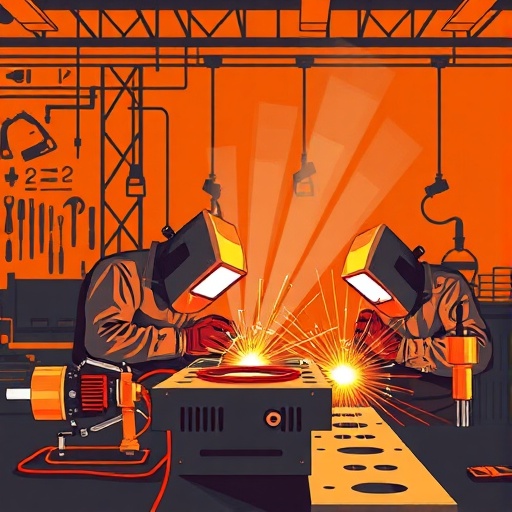
Joint geometry dictates the shape and flexibility required from ceramic backing material. Flat plates suit rigid tiles, while pipes and vessels need conformable tapes that wrap around curves. Thickness of the base metal influences the density and thermal capacity needed to support the weld pool. Thicker sections demand higher-density ceramics that resist erosion under prolonged heat exposure. Welders measure the root gap and bevel angle before selecting the backing width. Gullco offers modular systems that accommodate varying geometries through interchangeable components. Proper matching prevents gaps that allow metal to escape or excessive pressure that distorts the joint. Accurate assessment of these factors leads to reliable results across diverse projects.
Comparing Ceramic Backings with Other Backing Materials
Metal backing strips conduct heat rapidly and can alter the cooling rate of the weld, sometimes causing cracks. Ceramic backing materials insulate the joint and maintain more uniform temperatures. Fiberglass tapes offer limited heat resistance and often require removal before the final pass. Ceramic options remain in place throughout the entire welding sequence. Welders find that ceramic backing for welds produces cleaner roots than copper or steel alternatives that may leave marks or alloy with the base metal. Cost comparisons favor ceramics for high-volume work because they reduce labor for post-weld cleaning. Gullco systems demonstrate longer service life than disposable tapes in automated setups. The performance edge becomes clear on critical applications requiring consistent quality.
Recommendations for Different Welding Techniques
Shielded metal arc welding benefits from rigid ceramic tiles that support heavy deposition rates. TIG and MIG operators prefer flexible tapes for intricate joints and out-of-position work. Plasma processes require dense ceramics rated for high arc energy. Gullco recommends specific KATBACK configurations for each technique to optimize contact and heat dissipation. Welders should test small samples before committing to full production runs. Automation systems integrate best with pre-formed ceramic segments that maintain alignment under carriage movement. Matching the backing to the process ensures maximum benefit from ceramic technology while minimizing defects.
Safety and Best Practices for Welders
Essential Protective Gear for Welders
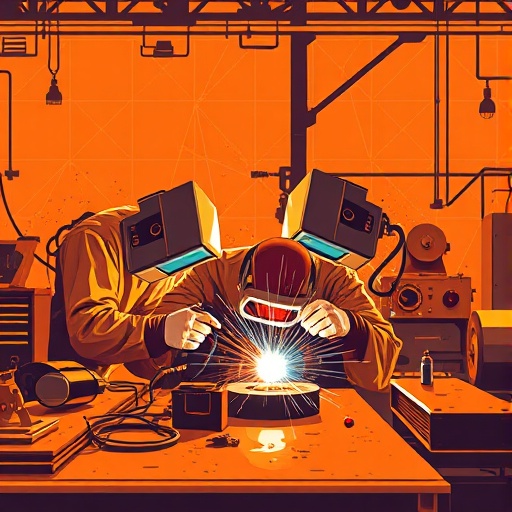
Welders must wear approved welding helmets with appropriate shade lenses to protect against arc flash when working with ceramic backing for welding. Leather gloves, flame-resistant clothing, and steel-toe boots complete the standard protective gear ensemble. Respirators become necessary when welding galvanized or coated metals that release fumes. Gullco automated equipment reduces operator exposure by moving the torch remotely. Proper fit and maintenance of protective gear prevent burns and eye injuries during extended shifts. Employers provide regular training on correct use of helmets and other safety equipment. Consistent adherence to these standards keeps welders safe while they achieve high-quality results with ceramic backings.
Maintenance of Welding Equipment with Ceramic Backings
Regular inspection of ceramic backing materials prevents cracking or contamination that could affect weld quality. Welders clean the torch and contact tips after each shift to avoid buildup that interferes with arc stability. Gullco carriages require lubrication of drive components and checks on alignment sensors. Storage of unused ceramic backing material in dry conditions preserves adhesive performance and prevents moisture absorption. Scheduled replacement of worn segments maintains consistent support during production runs. Proper care extends equipment life and reduces unexpected downtime. Fabricators that follow these routines report fewer defects traced to equipment issues.
Automation and the Future of Welding with Ceramic Technology
Automation continues to advance welding productivity through integration with ceramic backing systems. Gullco carriages travel along seams while maintaining precise torch position and consistent pressure on the backing. Laser guidance and sensors allow real-time adjustments that improve joint quality. Future developments may include smart ceramics embedded with temperature sensors for process monitoring. Welders transition from manual manipulation to supervisory roles as these technologies mature. The combination of ceramic backing materials and automated platforms supports higher output with fewer defects. Marine and automotive sectors already adopt these methods to meet growing demand for reliable welded structures. Continued innovation promises even greater precision and efficiency in coming years.
See Also
- Unlocking the Power of Ceramic Backing in Welding Applications
- The Science Behind Ceramic Backing Materials for Welders
- Why Ceramic Backing is Essential for High-Quality Welds
- A Welder's Guide to Ceramic Backing Materials and Their Applications
- The Future of Welding Automation with Ceramic Materials