Motor Repair Costs Explained Why Quality Matters Over the Price Tag
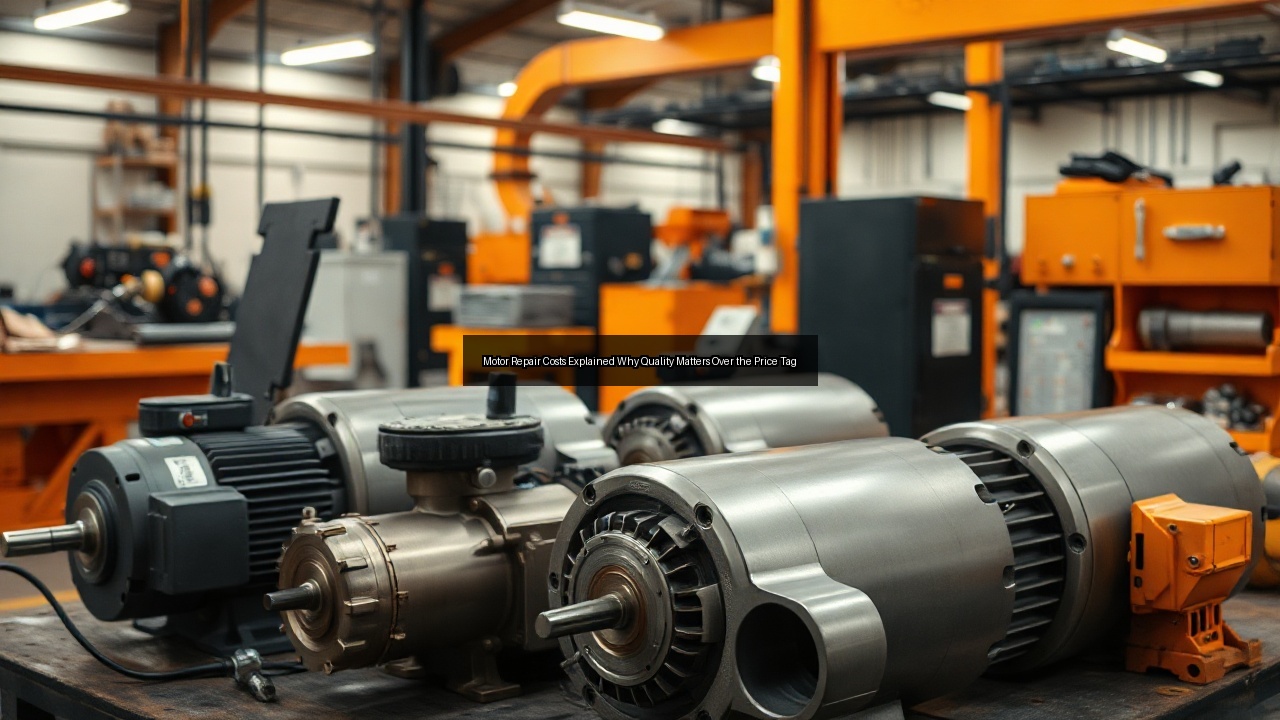
Understanding Electric Motor Repair Costs
Factors Influencing Repair Costs
Electric motor repair costs depend on several key elements that determine the final price tag. Motor size, type, and operating conditions play major roles, as larger industrial units require more extensive disassembly and testing. Voltage ratings and the presence of a VFD add complexity because technicians must verify compatibility with drive systems. Contamination from dust or moisture often forces extra cleaning steps, while age-related wear on the stator or rotor increases labor hours. Replacement parts such as bearings, windings, and insulation materials vary widely in quality and price. Shops also factor in turnaround time and whether the repair includes VPI treatment or fresh varnish application. Customers who request detailed diagnostics before work begins typically see more accurate quotes and avoid surprise charges later.
Average Cost Breakdown
Most electric motor repair services quote repairs in distinct categories that add up quickly. Labor usually accounts for 40 to 60 percent of the total because skilled technicians spend hours on teardown, testing, rewinding, and reassembly. Parts such as new rotors, stators, or insulation kits represent another 25 to 35 percent. Specialized processes like VPI or high-temperature varnish curing contribute 10 to 15 percent. Testing and balancing add the remaining share. For a typical 50-horsepower motor, basic bearing replacement might total $800, while a full rewind including insulation restoration often exceeds $3,000. HVAC motors in commercial buildings follow similar patterns but may incur extra fees for on-site removal and reinstallation. Tracking these breakdowns helps facility managers compare quotes across different repair providers.
Cost Comparison: Quality vs. Cheap Repairs
Choosing budget repairs over quality work frequently leads to higher long-term electric motor repair costs. Low-price shops often use substandard windings or skip proper VPI treatment, causing early insulation breakdown under voltage stress. In contrast, reputable facilities employ premium materials and thorough testing that restore original efficiency levels. A cheap repair might save $500 upfront yet fail within months, requiring another service call and new parts. Quality repairs include updated insulation systems and precise rotor balancing that reduce vibration and energy use. Over two years, the higher initial investment typically pays for itself through fewer downtime events and lower utility bills. Facility managers who track total ownership costs consistently favor providers that document every step of the repair process.
The Role of Quality in Electric Motor Repairs
Importance of Using Quality Parts
Quality parts form the foundation of reliable electric motor repair. Premium bearings resist wear better than generic alternatives, while high-grade copper windings maintain conductivity under heavy loads. Insulation materials rated for the motor’s voltage class prevent premature failure caused by heat and electrical stress. Shops that source OEM-spec components ensure proper fit and performance after reassembly. When technicians apply fresh varnish through VPI, the windings gain superior protection against moisture and contamination. These choices directly influence how long the motor runs between service intervals. Managers who insist on documented part specifications avoid the hidden expenses that arise from repeated breakdowns and emergency replacements.
Impact of Quality on Motor Efficiency
Quality repairs preserve or even improve motor efficiency, which translates into measurable energy savings. Rewound stators with optimized wire placement reduce electrical losses compared with rushed jobs that leave air gaps. Properly balanced rotors minimize mechanical friction, allowing the motor to deliver rated horsepower without extra current draw. Updated insulation systems handle voltage spikes from VFDs more effectively, preventing hot spots that degrade performance. Infrared scans after repair often confirm cooler operating temperatures, a clear sign of restored efficiency. Over time, these gains lower monthly utility costs and extend equipment life. Facilities focused on energy efficiency therefore prioritize repair partners that verify performance metrics before returning the motor to service.
Long-term Benefits of Investing in Quality Repairs
Investing in quality repairs delivers lasting advantages that outweigh initial price differences. Motors restored with thorough processes experience fewer unplanned outages, protecting production schedules and revenue. Extended service intervals reduce the frequency of maintenance calls and associated labor expenses. Quality work often includes warranty coverage that shields budgets from repeat failures. In addition, efficient motors consume less electricity, supporting sustainability goals and lowering carbon footprints. Companies that adopt this approach report higher overall equipment reliability and reduced total cost of ownership across their motor fleets. The cumulative effect appears in maintenance logs that show steadily declining repair frequency after quality standards become standard practice.
Common Issues Leading to Electric Motor Failures
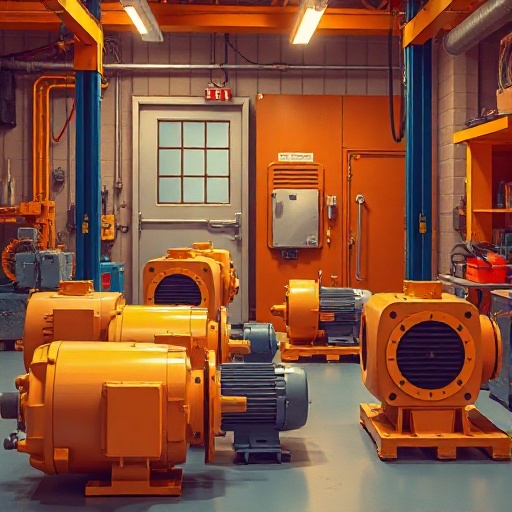
Stator and Rotor Failures
Stator and rotor problems rank among the most frequent causes of electric motor downtime. Overheating from overload or poor ventilation damages winding insulation and creates short circuits within the stator. Rotor bars can crack under cyclic stress, especially in motors started across the line or driven by VFDs. Misalignment between motor and load increases vibration that accelerates bearing wear and eventually distorts the rotor. Technicians identify these issues through insulation resistance tests and vibration analysis before complete failure occurs. Addressing stator or rotor damage early prevents cascading problems that turn a straightforward repair into an expensive replacement. Regular monitoring of operating temperatures and current draw helps catch developing faults while they remain manageable.
Insulation Breakdown
Insulation breakdown occurs when voltage stress, heat, or contamination compromise the dielectric strength of motor windings. Moisture ingress lowers resistance readings and creates paths for current leakage that can trip breakers or damage the VFD. Thermal aging gradually embrittles varnish and insulation tape until cracks allow partial discharges. Voltage spikes from fast-switching drives further accelerate deterioration. Once insulation resistance falls below acceptable thresholds, the motor risks catastrophic failure during startup. Repair facilities restore protection by stripping old material, applying new insulation systems, and completing VPI cycles that fill voids with resin. Post-repair testing confirms restored dielectric strength and gives operators confidence in continued safe operation.
Contamination and Its Effects
Contamination silently degrades motor performance until failure becomes inevitable. Dust, dirt, and process chemicals settle on windings and restrict airflow, raising internal temperatures that speed insulation aging. Conductive particles create tracking paths across insulation surfaces, while oil mist softens varnish and reduces its protective qualities. In HVAC applications, airborne fibers and moisture combine to corrode rotors and stators. Predictive maintenance programs use infrared sensors and regular cleaning schedules to remove contaminants before they cause measurable efficiency loss. When contamination reaches critical levels, thorough disassembly and solvent cleaning followed by fresh varnish application become necessary. Preventing contamination through proper sealing and environmental controls remains far less expensive than repeated repairs.
Preventative Measures and Maintenance Strategies
Predictive Maintenance Techniques
Predictive maintenance techniques allow facilities to schedule electric motor repairs before breakdowns occur. Vibration analysis detects imbalance or bearing defects weeks in advance, while current signature analysis reveals rotor bar cracks. Oil analysis on larger motors identifies wear metals that signal developing problems. These data-driven methods replace reactive repairs with planned interventions that minimize downtime. Technicians combine sensor readings with historical trends to forecast remaining useful life and prioritize motors most at risk. The result is lower overall repair costs because issues receive attention during scheduled outages rather than emergency shutdowns. Companies that implement robust predictive programs consistently report higher motor availability and reduced maintenance budgets.
Utilizing Infrared Sensors
Infrared sensors provide non-contact temperature mapping that highlights developing faults in operating motors. Hot spots on stator windings often indicate insulation degradation or blocked ventilation. Elevated bearing temperatures signal lubrication problems or misalignment long before audible noise appears. Technicians capture baseline thermograms after each repair and compare them during subsequent surveys. Significant deviations trigger targeted inspections that catch problems early. Infrared data also verifies that quality repairs have restored normal thermal patterns. When integrated into a broader predictive maintenance program, these scans deliver actionable insights that protect both equipment and budgets from unexpected failures.
Regular Maintenance for HVAC Motors
HVAC motors operate in demanding environments that require disciplined maintenance routines. Quarterly cleaning removes dust and fibers that restrict cooling airflow. Technicians check belt tension, alignment, and lubrication on every visit. Voltage and current measurements confirm that motors run within design limits and that VFD parameters remain optimized. Seasonal inspections before peak cooling or heating loads catch insulation weaknesses while repair windows remain open. Documenting each service visit creates a history that supports warranty claims and helps justify future capital budgets. Facilities that follow these practices experience fewer comfort complaints and lower electric motor repair costs over the equipment lifecycle.
Making the Right Choice: Budgeting for Motor Repairs
Assessing Your Motor's Value
Assessing motor value begins with comparing repair costs against replacement price and expected remaining life. New motors carry higher upfront prices yet include modern efficiency ratings and full warranties. Older units that have already undergone multiple repairs may justify replacement once cumulative costs approach 60 percent of a new motor price. Factors such as criticality to production, availability of spares, and energy consumption all influence the decision. Maintenance teams calculate payback periods for efficiency upgrades versus continued repair of existing equipment. Accurate valuation prevents overspending on motors nearing the end of their economic life while protecting critical assets with timely quality repairs.
Understanding Warranty Implications
Warranty coverage directly affects budgeting decisions for electric motor repair. Quality repair shops typically offer 12 to 24 months of coverage on workmanship and parts, including insulation systems and VPI treatments. Some warranties require documented maintenance records and proper installation practices. Using uncertified parts or skipping recommended procedures can void coverage and leave facilities responsible for repeat failures. Managers should review warranty language before authorizing work and retain all service documentation. Strong warranty terms provide financial protection and encourage repair providers to maintain high standards throughout the process.
Balancing Cost and Quality in Your Budget
Balancing cost and quality requires deliberate planning within annual maintenance budgets. Allocating funds for predictive maintenance tools and infrared surveys reduces emergency repair expenses. Setting aside reserves for quality parts and VPI processes prevents the temptation to accept the lowest bid. Tracking electric motor repair costs against downtime losses and energy consumption reveals the true value of reliable repairs. Facilities that adopt this balanced approach maintain higher uptime, control long-term expenses, and extend motor service life without compromising operational performance. Regular review of these metrics keeps budgets aligned with both reliability goals and financial constraints.
See Also
- The True Price of Electric Motor Repair What You Need to Know
- Understanding Warranty Implications for Your Electric Motor Repair Costs
- Predictive Maintenance Strategies to Reduce Electric Motor Repair Expenses
- Avoiding Contamination Costly Mistakes in Electric Motor Repairs
- The Role of Voltage and Insulation in Electric Motor Repair Costs