Sustainable Practices in the Contract Supplement Manufacturing Industry
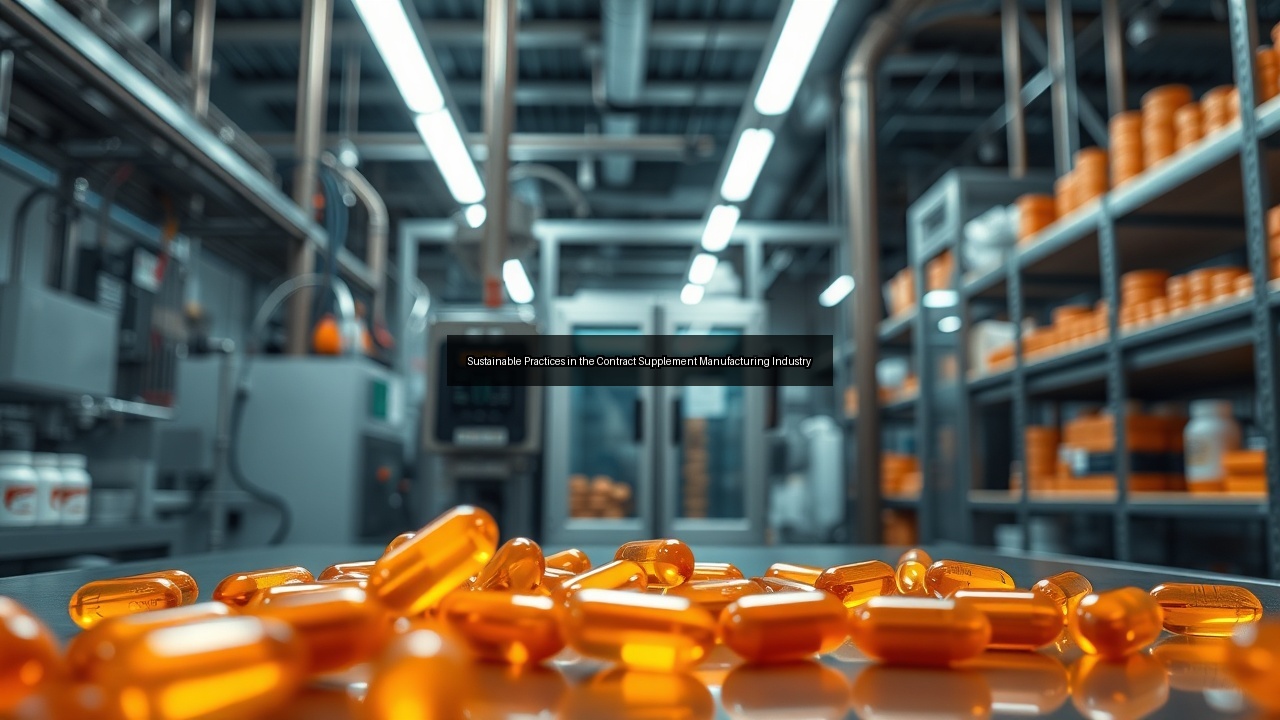
Understanding Sustainability in Contract Supplement Manufacturing
The Importance of Sustainable Practices in Manufacturing
Sustainability in the contract supplement manufacturing industry plays a pivotal role in meeting both consumer demands and environmental responsibilities. Manufacturers increasingly face pressure to adopt practices that lessen their ecological footprint while maintaining high-quality products. Sustainable practices not only enhance a brand's image but also attract a growing demographic of environmentally conscious consumers. Implementing these strategies can lead to reduced waste, lower energy consumption, and more efficient resource management. This shift towards sustainability directly impacts the long-term viability of manufacturers, positioning them favorably in a competitive market focused on health and wellness.
Key Sustainability Metrics for Contract Manufacturers
Measuring sustainability requires specific metrics that help contract supplement manufacturers assess their environmental impact. Key performance indicators include energy consumption, water usage, waste management, and carbon footprint. Tracking these metrics enables manufacturers to identify areas for improvement and implement more sustainable practices. For example, a manufacturer might focus on reducing energy consumption by utilizing renewable energy sources or optimizing production processes. Additionally, waste management metrics can highlight opportunities for recycling and repurposing materials, thereby minimizing landfill contributions. By focusing on these metrics, manufacturers can create a more sustainable manufacturing environment that appeals to both consumers and regulatory bodies.
Challenges in Implementing Sustainable Practices
Despite the clear benefits, integrating sustainable practices in contract supplement manufacturing presents several challenges. High upfront costs associated with adopting new technologies and processes often deter manufacturers from making changes. Additionally, supply chain complexities can hinder efforts to source sustainable raw materials. Manufacturers may also struggle with balancing sustainability initiatives alongside the demand for cost-effective production. Educating staff and stakeholders about the importance of sustainability can further complicate implementation. Overcoming these challenges requires commitment, innovation, and collaboration across the industry to ensure that sustainability becomes an integral part of the manufacturing process.
Innovative Sustainable Dosage Forms
Effervescent Tablets: A Sustainable Choice
Effervescent tablets represent a sustainable dosage form that offers numerous advantages. These tablets dissolve in water, providing a convenient and palatable way for consumers to take supplements. Their formulation often requires fewer excipients compared to traditional tablets, leading to reduced waste during production. Additionally, effervescent tablets can enhance bioavailability, meaning consumers absorb nutrients more effectively. For contract supplement manufacturers, producing effervescent tablets allows for flexibility in formulations, catering to a variety of dietary needs. This dosage form also aligns well with sustainability goals, as manufacturers can utilize eco-friendly packaging options that further reduce their environmental impact.
The Role of ODT (Orally Disintegrating Tablets) in Sustainability
Orally disintegrating tablets (ODTs) have gained traction in the supplement industry due to their ease of use and rapid dissolution properties. Unlike traditional tablets, ODTs do not require water for consumption, making them ideal for on-the-go lifestyles. From a sustainability perspective, ODTs often utilize fewer resources in their production process. The manufacturing of ODTs can minimize the need for additional coatings and binders, resulting in a cleaner ingredient profile and less waste. Contract supplement manufacturers can leverage ODT technology to meet consumer preferences while adhering to sustainable practices, creating products that are not only effective but also environmentally friendly.
Gel Formulations: Balancing Quality and Eco-friendliness
Gel formulations offer another innovative avenue for sustainable supplement manufacturing. These products often use natural gelling agents derived from renewable resources, aligning with eco-friendly practices. Gel supplements can improve the bioavailability of nutrients, ensuring consumers receive maximum benefits from their products. Contract manufacturers focusing on gel formulations can explore alternatives to synthetic ingredients, emphasizing the use of plant-based or organic materials. This shift not only appeals to health-conscious consumers but also demonstrates a commitment to sustainability. Balancing quality and eco-friendliness in gel formulations allows manufacturers to carve a niche in the competitive contract supplement market.
Quality Control and Sustainability Synergy
Integrating Quality Controls with Sustainable Practices
Quality control remains a cornerstone of contract supplement manufacturing, and integrating it with sustainability practices can yield significant benefits. Establishing robust quality control measures ensures that products meet safety and efficacy standards while also adhering to sustainability goals. For instance, manufacturers can implement quality checks that focus on the sourcing of raw materials, ensuring they come from sustainable suppliers. This integration fosters a culture of excellence, where quality and sustainability go hand in hand, ultimately resulting in better products for consumers. A commitment to both quality and sustainability enhances reputation and trust, vital components in the supplement industry.
Sustainable Materials in Supplement Manufacturing
Utilizing sustainable materials is crucial for contract supplement manufacturers aiming to reduce their environmental impact. Sourcing raw ingredients from responsible suppliers not only decreases carbon footprints but also promotes biodiversity. Manufacturers can choose organic, non-GMO, or locally sourced materials that align with sustainability principles. Additionally, the use of biodegradable or recyclable packaging helps minimize waste and appeals to eco-conscious consumers. By prioritizing sustainable materials, manufacturers can create high-quality supplements that contribute positively to both public health and the environment. This dual focus strengthens brand loyalty and can even lead to a competitive edge in the market.
The Impact of Quality on Sustainability in Contract Manufacturing
Quality significantly influences sustainability outcomes in contract supplement manufacturing. High-quality products result in lower returns and waste, directly contributing to a more sustainable operation. When manufacturers prioritize quality, they often use better raw materials and more efficient production methods, reducing overall resource consumption. This focus on quality extends beyond the product itself; it encompasses the entire supply chain, encouraging sustainable practices at every level. Thus, by embedding quality into their operations, manufacturers not only ensure consumer satisfaction but also enhance their sustainability efforts, creating a positive feedback loop that benefits both business and the environment.
Inventory Management and Sustainable Growth
Strategies for Reducing Waste in Inventory
Effective inventory management plays a critical role in promoting sustainability within contract supplement manufacturing. Implementing strategies like just-in-time inventory can minimize excess stock, reducing waste and storage costs. Manufacturers can also adopt inventory tracking systems that provide real-time data, allowing for more accurate forecasting and demand planning. This proactive approach helps manufacturers avoid overproduction and the associated waste of materials and resources. Additionally, establishing partnerships with suppliers for short lead times can further enhance inventory efficiency. By focusing on waste reduction in inventory management, manufacturers not only contribute to sustainability but also optimize their operational efficiency.
The Role of Technology in Sustainable Inventory Management
Technology serves as a catalyst for sustainable inventory management in the contract supplement manufacturing sector. Advanced software solutions enable manufacturers to streamline operations, enhance visibility, and improve decision-making processes. Automation and data analytics can predict trends and optimize stock levels, ensuring that manufacturers maintain just the right amount of inventory. Implementing cloud-based systems allows for better collaboration across the supply chain, further enhancing sustainability efforts. As technology continues to evolve, it empowers manufacturers to adopt innovative practices that reduce waste and improve efficiency, solidifying their commitment to sustainability in a competitive landscape.
Case Studies of Successful Contract Supplement Manufacturers
Examining successful case studies of contract supplement manufacturers reveals valuable insights into effective sustainability practices. For instance, a leading manufacturer adopted a zero-waste policy, implementing recycling and repurposing initiatives that drastically reduced landfill contributions. Another notable example involves a manufacturer that transitioned to renewable energy sources, cutting down on their carbon footprint significantly. These case studies illustrate how sustainable practices not only enhance operational efficiency but also foster brand loyalty and consumer trust. By learning from these examples, other manufacturers can develop and implement their own sustainability strategies, contributing to a healthier planet and a thriving supplement industry.