The Science Behind Electropolishing and Its Impact on Corrosion Resistance in Stainless Steel
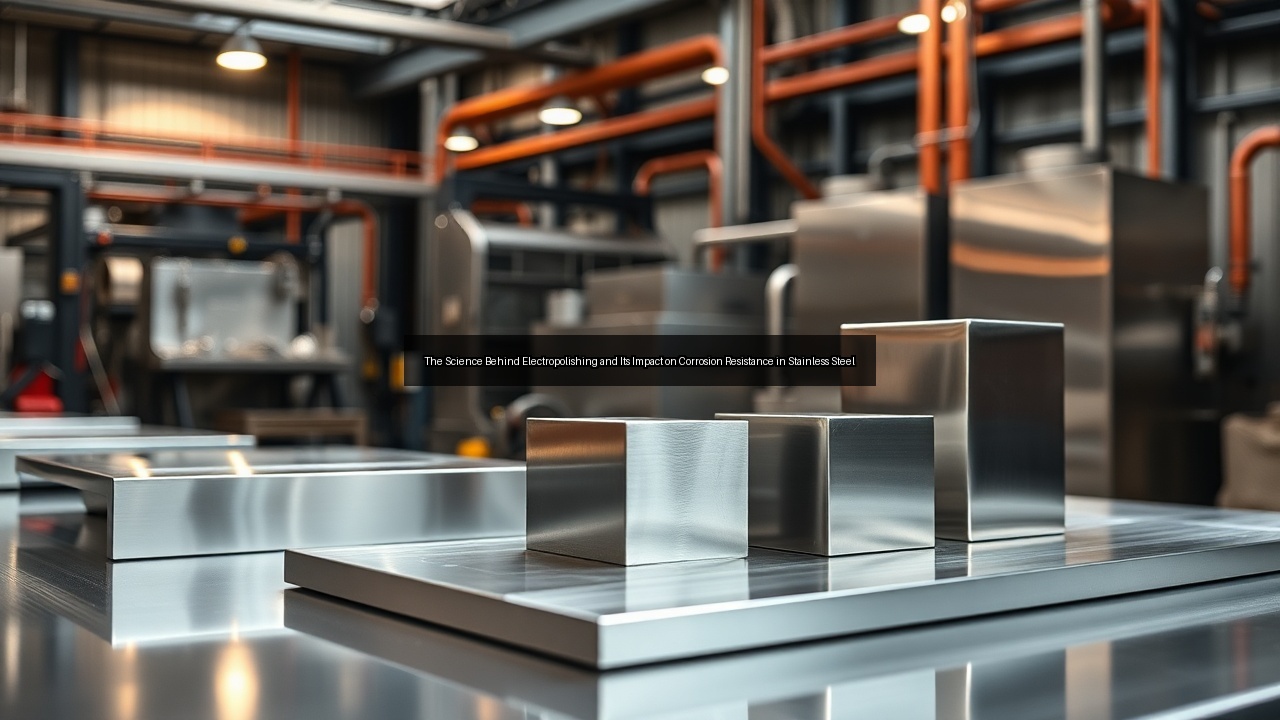
Understanding Electropolishing
What is Electropolishing?
Electropolishing serves as a crucial metal finishing technique, particularly for stainless steel. This electrochemical process removes material from a metallic surface, resulting in a smooth, shiny finish. Unlike traditional polishing methods that mechanically grind the surface, electropolishing selectively dissolves the microscopic peaks on the metal's surface, effectively leveling it. The process occurs in a bath of acidic electrolyte, where the stainless steel acts as the anode. As an electric current flows, oxygen ions interact with the surface, enhancing its finish while eliminating contaminants and irregularities. This technique not only improves aesthetics but also significantly boosts the material’s corrosion resistance, making electropolished stainless steel highly sought after in various industries.
The Electropolishing Process
The electropolishing process involves several critical steps that ensure optimal results. Initially, the stainless steel product undergoes thorough cleaning to remove any oils, dirt, or previous surface treatments. Following this, the item is submerged in an electrolyte solution, typically composed of a mix of phosphoric and sulfuric acids. When the electric current is applied, the surface of the stainless steel experiences a controlled dissolution. The process duration may vary based on the thickness of the material and desired surface finish. After electropolishing, parts are rinsed and neutralized to eliminate any residual acid. Finally, the finished product emerges with a brilliantly smooth surface, free of contaminants and defects, ready for a range of applications.
Key Benefits of Electropolishing
Electropolishing offers a myriad of benefits that extend beyond mere aesthetics. First and foremost, it significantly enhances corrosion resistance in stainless steel products. By smoothing out the surface, electropolishing minimizes points where corrosion can initiate. The process also improves the cleanliness of the surface, making it less likely to harbor bacteria or other contaminants, a crucial consideration in industries like food processing and pharmaceuticals. Furthermore, the electropolished finish reduces friction, making components more efficient in their function. This treatment also prolongs the lifespan of stainless steel items, reducing the need for frequent replacements and maintenance. Overall, electropolishing transforms stainless steel into a more durable and reliable material, making it indispensable across various sectors.
Corrosion Resistance in Stainless Steel
How Electropolishing Enhances Corrosion Resistance
Electropolishing plays a critical role in enhancing the corrosion resistance of stainless steel. Stainless steels, particularly grades like 316L, are known for their inherent resistance to corrosion. However, the surface finish can significantly influence this characteristic. Electropolishing removes surface impurities and provides a smoother finish, limiting the likelihood of localized corrosion, such as pitting and crevice corrosion. By eliminating microscopic defects and ensuring a uniform surface, electropolished stainless steel can withstand harsh environments, including exposure to chlorides and varying temperatures. The process also passivates the surface, adding an additional layer of protection that further enhances corrosion resistance. This makes electropolished stainless steel an ideal choice for applications in marine, chemical, and other aggressive environments where durability is paramount.
The Role of Surface Finish on Stainless Steel Products
The surface finish of stainless steel products profoundly impacts their performance and longevity. A rough surface can harbor contaminants and moisture, creating sites for corrosion to develop. In contrast, a smooth, well-finished surface reduces this risk significantly. Electropolishing achieves a mirror-like finish that not only looks appealing but also functions effectively. It enhances the stainless steel's ability to resist oxidation and tarnishing while facilitating easier cleaning and maintenance. In industries such as medical and food processing, where hygiene is essential, the cleanability of electropolished surfaces proves invaluable. Moreover, the aesthetic appeal of a bright, shiny finish can improve the marketability of stainless steel products, adding value across various applications.
Comparing Corrosion Resistance: 316L vs Other Stainless Steels
When discussing corrosion resistance in stainless steels, grade 316L often stands out due to its superior performance. This low-carbon version of 316 stainless steel contains molybdenum, which significantly enhances its resistance to pitting and crevice corrosion in chloride environments. While other stainless steels, such as 304, offer adequate protection, 316L excels in more aggressive conditions. Electropolishing further amplifies these characteristics. The combination of 316L's inherent properties and the benefits of electropolishing results in a material that can withstand extreme environments, such as those found in marine applications or chemical processing. In contrast, other stainless steels may not provide the same level of durability or longevity, making 316L the preferred choice for demanding applications.
Applications and Industries Utilizing Electropolishing
Electropolishing in Semiconductor Manufacturing
Electropolishing finds a vital application in the semiconductor manufacturing industry. Semiconductor components require exceptionally clean surfaces to ensure optimal performance and reliability. The process of electropolishing effectively removes contaminants, particulates, and residual oxides, which can hinder the performance of microelectronic devices. Additionally, the smooth surface finish achieved through electropolishing reduces the risk of particle adhesion, which is critical in maintaining the integrity of semiconductor devices. The reliability and longevity of components produced through electropolished stainless steel significantly contribute to the overall efficiency of semiconductor operations. This commitment to cleanliness and precision makes electropolishing an integral part of the semiconductor manufacturing landscape.
The Importance of Electropolishing in Engineering and Heat Treating
In various engineering applications, the function of electropolishing becomes increasingly significant. Components subjected to heat treating often undergo stress and strain, which can lead to surface imperfections. Electropolishing not only rectifies these imperfections but also enhances the mechanical properties of the materials involved. By improving surface finish, electropolishing reduces friction and wear, allowing components to perform better in demanding environments. Additionally, it contributes to the fatigue strength of engineering parts, which is crucial for maintaining performance over time. Industries such as aerospace and automotive benefit from these improvements, where reliability and durability are non-negotiable. Electropolishing thus plays a pivotal role in ensuring that engineered products meet stringent quality standards.
Common Stainless Steel Products that Benefit from Electropolishing
Numerous stainless steel products benefit from the advantages of electropolishing, making it a prevalent service across various sectors. Common items such as valves, pumps, and tubes often undergo electropolishing to enhance their corrosion resistance and cleanliness. In the food and pharmaceutical industries, equipment like mixers and storage tanks frequently utilize electropolished stainless steel to ensure hygienic conditions. Medical instruments, which require stringent sterilization and cleanliness, also rely on electropolishing to maintain their integrity and safety. Additionally, architectural elements made from stainless steel, such as railings and fixtures, gain aesthetic appeal and functionality from electropolishing. This versatility highlights the essential nature of electropolishing in producing high-quality stainless steel products.
Choosing the Right Electropolishing Services
Factors to Consider When Selecting Electropolishing Manufacturers
Selecting the right electropolishing services requires careful consideration of several factors. First, assess the manufacturer’s experience and expertise in handling stainless steel. A reputable provider will have a proven track record of delivering high-quality results. Next, evaluate their capabilities in terms of scale, as some projects may require large volumes while others demand precision for smaller items. It's also essential to inquire about their technology and equipment, as advancements in electropolishing technology can significantly impact the quality of the final product. Certifications and compliance with industry standards should not be overlooked, as these ensure that the services meet necessary regulatory guidelines. Lastly, consider customer reviews and testimonials, which provide insights into the reliability and quality of the manufacturer’s services.
Quality Assurance in Electropolishing Services
Quality assurance stands as a cornerstone of effective electropolishing services. Manufacturers must implement stringent quality control processes to ensure that each batch of electropolished stainless steel meets specified standards. This includes regular monitoring of the electropolishing process, testing for surface finish and corrosion resistance, and validating the cleanliness of the final product. Employing advanced testing methods, such as microscopy and spectrometry, can help in assessing the surface quality and composition. Additionally, manufacturers should maintain transparency with clients regarding their quality assurance protocols. This commitment to quality not only enhances customer trust but also ensures that the electropolished products deliver the expected performance and longevity.
Future Trends in Electropolishing Technologies
The future of electropolishing technologies appears promising, driven by advancements in automation and eco-friendly practices. Manufacturers increasingly adopt automated systems that enhance precision and consistency in the electropolishing process. These innovations reduce human error and improve efficiency, allowing for larger production runs without compromising quality. Moreover, the industry trends toward sustainable practices are prompting the development of less toxic electrolytes and recycling methods for waste materials. These eco-conscious approaches align with global initiatives to minimize environmental impact. The integration of smart technologies, such as IoT sensors for real-time monitoring, also holds potential in optimizing the electropolishing process. As these trends continue to evolve, electropolishing will remain a vital service for enhancing the performance and longevity of stainless steel products.
See Also
- Unlocking the Benefits of Electropolishing for Stainless Steel Products
- The Future of Electropolishing in the Stainless Steel Industry
- Maximizing Durability with Electropolished Stainless Steel Parts
- A Deep Dive into Electropolished Stainless Steel Applications
- The Role of Electropolishing in Semiconductor Manufacturing